

The Great Kitchen Revolution: From Chaos to Culinary Command in Five Game-Changing Tools
You know that moment when you open your kitchen drawer and seventeen mismatched utensils cascade onto your foot like some sort of culinary avalanche? Or when you’re trying to follow a recipe that calls for “finely diced” vegetables and you’re standing there with a dull knife, questionable cutting board skills, and the growing realization that your dinner party guests will arrive to find you sobbing over mutilated carrots?
Last month, while attempting to make a “simple” stir-fry that somehow required the precision of a Swiss watchmaker and the speed of a hibachi chef, I had an epiphany. My kitchen wasn’t just disorganized—it was actively working against me. The tools were wrong, the workflow was chaos, and my cooking confidence was somewhere between “microwave enthusiast” and “takeout connoisseur.”
That’s when I embarked on what I now call “The Great Kitchen Revolution of 2024″—a systematic overhaul that transformed my cooking space from a place of culinary despair into something that would make Gordon Ramsay nod approvingly (or at least not scream).
Full disclosure: This post contains affiliate links, which means I earn a small commission if you purchase through these links at no extra cost to you. This helps keep the lights on and my kitchen gadget addiction funded. I only recommend products I’ve actually used and would buy again with my own money.
The Arsenal: Five Kitchen Game-Changers That Actually Changed the Game
After weeks of research, testing, and the occasional kitchen mishap that shall remain nameless (RIP, smoke detector), I’ve assembled what I consider the ultimate kitchen upgrade collection. These aren’t just gadgets—they’re the difference between cooking being a chore and cooking being something you actually look forward to.

Fig 01: The Fullstar Vegetable Chopper – TikTok famous for good reason
The Fullstar Vegetable Chopper: When TikTok Gets It Right
Let’s start with the star of this show—the Fullstar Vegetable Chopper, currently sitting pretty at around $30 on Amazon. Yes, it’s the one you’ve seen all over TikTok, and no, this isn’t just social media hype. Sometimes the algorithm actually knows what it’s talking about.
This thing is like having a sous chef who never judges your knife skills and doesn’t expect a paycheck. The 420 stainless steel blades (fancy!) stay sharp longer than my attention span during cooking shows, and the built-in container means your perfectly diced vegetables don’t end up scattered across your counter like confetti.

Fig 02: Perfect dicing every single time
The soft-grip handle means you won’t develop carpal tunnel from meal prep, and the non-skid base actually stays put. You know how some kitchen gadgets slide around your counter like they’re trying to escape? This one stays planted like it has actual roots.
But here’s what the marketing doesn’t tell you: this chopper has a learning curve steeper than my driveway in winter. The first few uses, you’ll feel like you’re operating some sort of medieval torture device. Push too hard, and you’ll launch vegetables into next week. Too gentle, and you’ll get sad, partially-chopped disappointments.
The sweet spot? Firm, confident pressure with a quick release. Think of it like a really specific handshake—too limp is useless, too aggressive is awkward, but just right creates magic.
Amazon Basics Digital Kitchen Scale: Precision Without the Price Tag

Fig 03: The unsung hero of consistent cooking
For under ten bucks, the Amazon Basics Digital Kitchen Scale is the kitchen equivalent of that friend who’s always reliable but never gets the credit they deserve. While everyone’s obsessing over fancy gadgets, this humble scale is quietly revolutionizing your cooking accuracy.
Here’s the thing about baking that nobody tells you until you’ve ruined your third batch of cookies: volume measurements are lies. “One cup of flour” can vary by up to 30% depending on how you scoop, how you level, and whether Mercury is in retrograde. Weight measurements? They don’t lie, cheat, or leave you questioning your life choices.

Fig 04: Clear LCD display that actually works in all lighting
The tare function (that’s the “reset to zero” button for us non-professionals) means you can weigh ingredients directly into your mixing bowl without doing mental math that would challenge a NASA engineer. Add flour, hit tare, add sugar, hit tare—it’s like having a cooking superpower.
The stainless steel platform wipes clean easier than my conscience after ordering pizza for the third time this week, and the LCD display is large enough to read without squinting like you’re trying to decipher ancient hieroglyphics.
Compared to higher-end scales like the OXO Good Grips (around $50) or the Escali Primo ($25), this Amazon Basics model holds its own remarkably well. Sure, it doesn’t have the premium feel or the fancy backlit display, but it measures accurately, responds quickly, and doesn’t make you question your budget choices.
America’s Test Kitchen Season 12: The Education You Didn’t Know You Needed

Fig 05: Old school learning for new school results
Now, I know what you’re thinking. “DVDs? What is this, 2007?” But hear me out. While you can stream America’s Test Kitchen with a subscription, having Season 12 on DVD for around $13 means you own the knowledge forever, no monthly fees attached.
This season covers everything from the perfect roast chicken (spoiler: it involves a very specific salt-brining technique) to why your pie crusts keep shrinking (hint: you’re probably overworking the dough like an overeager personal trainer).
What sets America’s Test Kitchen apart from other cooking shows is their obsessive testing methodology. These people make the same recipe 40 different ways so you don’t have to. They’re like the mythbusters of cooking, except instead of explosions, you get perfectly caramelized onions.
The equipment reviews alone are worth the price. They test everything from $15 skillets to $150 ones, and their findings often surprise even seasoned cooks. Their winner for best budget non-stick pan? Often beats pans costing three times as much.
The Swanstone Kitchen Sink: When Your Sink Becomes a Statement
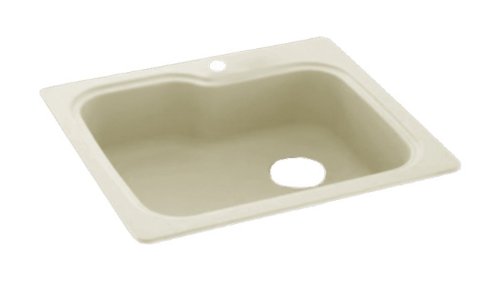
Fig 06: The sink that can handle your biggest cooking adventures
Let’s talk about the elephant in the room—or rather, the $288 kitchen sink. Yes, that’s a significant investment, but consider this: your sink works harder than any other fixture in your kitchen. It’s where vegetables get washed, pasta pots get filled, and dishes go to either get clean or stage a rebellion.
The Swanstone solid surface construction means this sink can handle boiling water without flinching, won’t stain when you inevitably spill beet juice everywhere, and actually gets more beautiful with age (unlike the rest of us). The 10-inch depth means your largest roasting pan fits comfortably, and you’re not playing Tetris every time you do dishes.
Here’s what makes this sink special: it’s renewable. Small scratches can be buffed out with fine sandpaper, and deeper damage can be professionally repaired. Compare that to a traditional porcelain sink that chips and stains, or a stainless steel one that shows water spots like a CSI crime scene.
The single-bowl design is controversial—some people swear by double bowls for separating tasks. But trust me, once you’ve washed a large mixing bowl in a spacious single sink versus trying to maneuver it in a cramped double bowl, you’ll understand why professional kitchens choose single bowls.
The America’s Test Kitchen Cookbook: Your New Kitchen Bible

Fig 07: The cookbook that explains the why behind every technique
Rounding out this collection is the America’s Test Kitchen Season Twelve cookbook at around $19. This isn’t just a recipe collection—it’s a masterclass in understanding why cooking techniques work.
Each recipe includes the story of how they developed it, what didn’t work, and why their final version is the best. It’s like having a cooking mentor who’s already made every possible mistake so you don’t have to.

Fig 08: Detailed instructions that actually make sense
The photography is gorgeous without being intimidating, and the instructions are written for real home cooks, not culinary school graduates. When they say “cook until golden brown,” they include a photo of what golden brown actually looks like, because apparently there are 47 different interpretations of that phrase.
The Real-World Test: How These Tools Work Together
Here’s where the magic happens. These tools aren’t just individual gadgets—they create a workflow that transforms how you cook. Let me walk you through making a simple vegetable stir-fry using all five components.
First, I use the America’s Test Kitchen resources to understand why restaurant stir-fries taste better (spoiler: it’s about heat management and not overcrowding the pan). The cookbook gives me the technique, the DVD shows me the visual cues.
Next, I use the Fullstar chopper to prep vegetables. What used to take 15 minutes of careful knife work now takes 3 minutes of satisfying chopping. The vegetables are uniformly sized, which means they cook evenly—no more raw carrots mixed with mushy peppers.
The kitchen scale ensures my sauce ratios are perfect every time. Two tablespoons of soy sauce might vary depending on your spoon size and pouring technique, but 30 grams is always 30 grams.
The spacious sink makes cleanup effortless. The chopper parts fit easily, the scale platform rinses clean, and there’s room for everything without playing kitchen Jenga.
The Honest Downsides (Because Nothing’s Perfect)
Let’s address the elephant in the kitchen. The Fullstar chopper, while amazing for most vegetables, struggles with softer items like tomatoes and can turn leafy greens into sad, bruised confetti. It’s also louder than you’d expect—not wake-the-neighbors loud, but definitely announce-to-the-household-that-someone’s-cooking loud.
The Amazon scale, while accurate, has a slight delay when weighing very light ingredients. If you’re measuring less than 5 grams (think spices or baking soda), you might need to wait a second for the reading to stabilize.
The Swanstone sink, despite its many virtues, shows scratches more readily than advertised, especially if you’re not careful with metal utensils. And that bone color? It’s beautiful, but it will show stains from things like coffee or red wine more than darker colors would.
The America’s Test Kitchen materials, while incredibly informative, can be overwhelming for beginners. They explain every detail, which is fantastic for understanding, but can be intimidating if you just want to make dinner without a dissertation on gluten development.
Who Should (and Shouldn’t) Invest in This Arsenal
This collection is perfect for the home cook who wants to level up their game without going to culinary school. You’re the person who enjoys cooking but gets frustrated when recipes don’t turn out as expected. You want to understand the why behind techniques, not just follow instructions blindly.
If you’re cooking for a family regularly, meal prepping, or trying to eat healthier by preparing more meals at home, these tools will save you time and improve your results dramatically.
However, if you’re a minimalist who prefers one-pot meals, rarely cook at home, or are perfectly happy with your current kitchen setup, this might be overkill. The investment (both financial and counter space) is significant.
For apartment dwellers with limited storage, the chopper and scale are your best bets. They provide the biggest improvement for the smallest footprint.
The Alternatives: How They Stack Up
Before you commit, let’s talk alternatives. The OXO Good Grips Chopper ($40-50) offers similar functionality to the Fullstar with slightly better build quality, but at a higher price point. The Cuisinart Elemental Food Processor ($100+) is more versatile but requires more storage space and cleanup time.
For scales, the Escali Primo ($25) offers better build quality and a longer warranty than the Amazon Basics, while the OXO Good Grips ($50) adds a pull-out display and backlit screen. But for basic home use, the Amazon scale delivers 90% of the functionality at a fraction of the price.
Regarding the sink, traditional undermount stainless steel options from Kraus or Blanco offer similar functionality at comparable prices. The choice often comes down to aesthetic preference and your existing countertop material.
Pro Tips From the Trenches
After months of daily use, here are the insights that separate novices from power users:
For the chopper: Keep a small bowl of water nearby for quick rinses between different vegetables. This prevents flavor transfer and keeps the blades cleaner. Also, slightly damp vegetables chop more cleanly than bone-dry ones.
With the scale: Place a sheet of parchment paper on the platform before weighing messy ingredients. It protects the surface and makes cleanup effortless. The scale reads through the paper perfectly.
For the sink: Install a quality drain strainer from day one. The sink can handle anything, but your plumbing might not appreciate vegetable scraps from your chopping adventures.
Regarding the America’s Test Kitchen materials: Start with their equipment reviews to understand which tools matter, then dive into techniques. Their chocolate chip cookie episode alone will change how you think about baking.
The Six-Month Verdict
Six months into my kitchen revolution, the results speak for themselves. Meal prep that used to consume entire Sunday afternoons now takes an hour. My knife skills haven’t improved dramatically, but they don’t need to—the chopper handles the precision work.
More importantly, cooking has shifted from being a necessary chore to something I actually look forward to. When your tools work with you instead of against you, the entire experience changes. Recipes that once intimidated me now seem approachable because I understand the techniques and have the right equipment.
The kitchen scale has made my baking consistent for the first time in my adult life. No more dense cookies or flat cakes—just predictable, delicious results that actually match the recipe photos.
The America’s Test Kitchen education component can’t be overstated. Understanding why techniques work has made me a more intuitive cook. I can adapt recipes, troubleshoot problems, and even improvise with confidence.
The Bottom Line: Is It Worth the Investment?
Here’s the math: if you currently order takeout twice a week at $30 per meal, you’re spending $3,120 annually. This entire kitchen upgrade costs less than one month of that habit and will serve you for years.
But the real value isn’t financial—it’s the confidence that comes from having the right tools and knowledge. It’s the satisfaction of serving a home-cooked meal that actually tastes like you intended. It’s the time saved on meal prep and the stress eliminated from cooking.
If you’re ready to transform your kitchen from a place of culinary frustration into a space of creative possibility, start with the chopper and scale—they provide immediate, visible improvements. Add the educational materials to understand why techniques work. Consider the sink if you’re doing a major kitchen renovation.
Your future self, standing in a well-equipped kitchen, confidently preparing a meal that would make your past self weep with envy, will thank you. And isn’t that worth $30 and a leap of faith?
The revolution starts with a single chop—are you ready to join it?
 cerrote.com
Leave a comment