
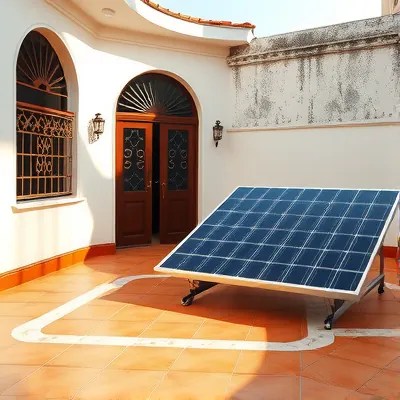
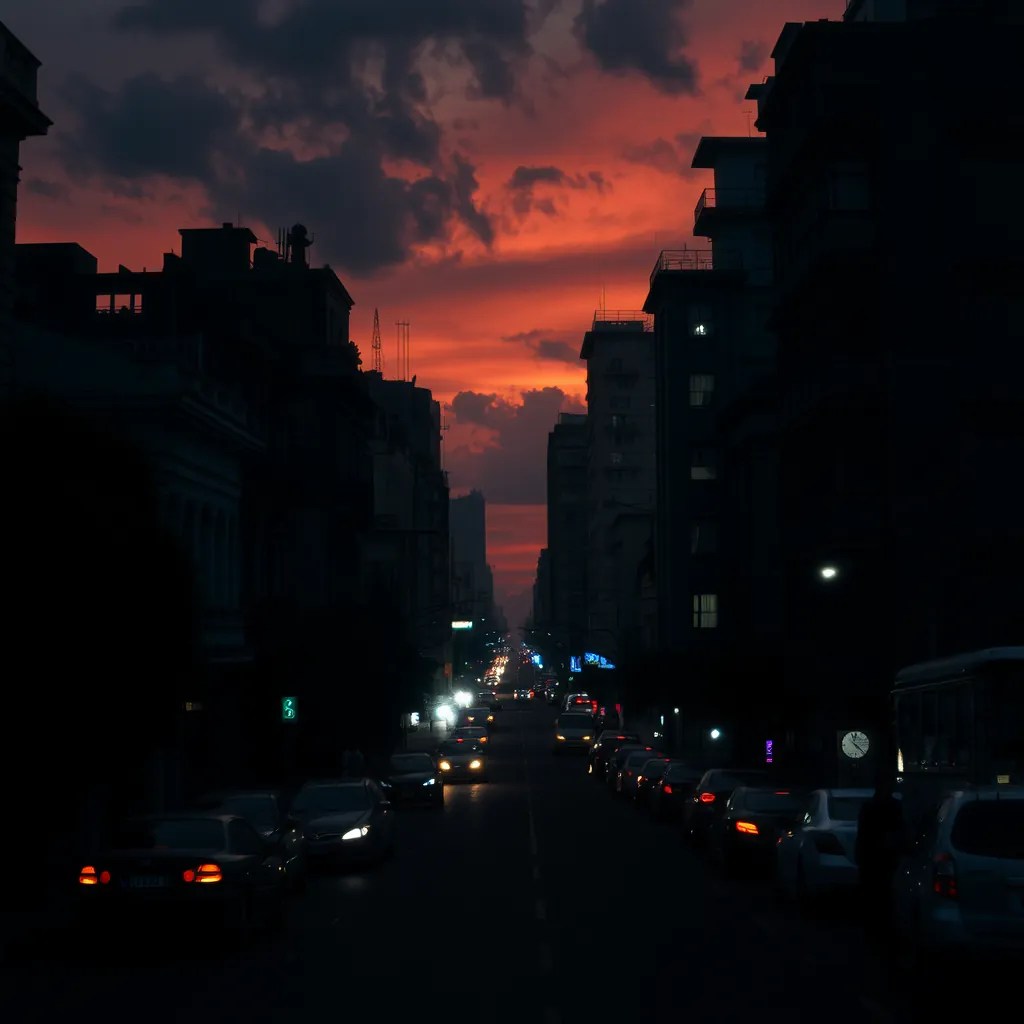
With Cuba’s devastating energy crisis is expected to worsen through 2025, with most locations now receiving less than 10 hours of electricity daily. From Havana’s busy streets to Camagüey’s historic center, families are living with power for just 4-6 hours before facing another 18-20 hour blackout. Finding reliable solutions for our families isn’t just crucial – it’s a matter of basic survival. Here’s what’s working for our families and why these products matter more than ever. 🏠
Understanding the Current Situation
Most locations now receive between 2-4 hours of electricity per day, with some areas going multiple days without power. Since July 2021, when Cuba authorized the duty-free import of photovoltaic systems and components, personal solar solutions have become a crucial part of survival. While this policy change opened new possibilities for families dealing with extended blackouts, the current reality remains challenging. In cities like Havana and Camagüey, where summer temperatures soar past 90°F (32°C), these aren’t just convenience items – they’re necessities.
The Energy Landscape Across Cities
The reality is stark: most areas receive electricity for just 4-6 hours before plunging into darkness for nearly 20 hours. In some parts of Camagüey and other provinces, families might see power for as little as 2-3 hours a day. This isn’t just a crisis – it’s become the daily norm, making backup power solutions not just helpful, but essential for basic daily functions.
Like solar panels converting sunshine into power, some links in this article convert clicks into small commissions (Amazon affiliate links used) – but don’t worry, it doesn’t affect your price! ☀️
40000mAh Battery Operated Camping Fan
The 40000mAh fan has become essential equipment in Cuban homes. With most areas getting only 2-4 hours of power daily, every minute of battery life matters. During my recent visit to Camagüey, I saw firsthand how families organize their entire day around these devices.
The fan runs practically non-stop during power outages, which means almost constant use. Under these conditions, we’ve found the battery lasts about 36-48 hours on medium speed – enough to bridge most gaps between power windows. The built-in LED light pulls double duty, serving as primary lighting for evening activities like cooking or kids’ homework.
The key to making these fans work in Cuban conditions is strategic charging. You never know when the power might come back, so our families follow two critical rules: First, the fan goes on charge immediately when power returns, even if the battery isn’t low. Second, they keep it on the lowest effective speed setting – usually medium is enough in a closed room. Positioning matters too – placing it in a corner at a 45-degree angle helps the oscillation feature cover more space efficiently.
Reorder Index: 9/10 – A must-have for long blackouts.
10000mAh Camping Fan with LED Lantern
While its bigger sibling handles main rooms, this portable version has found its niche in Cuba’s typical apartment layouts. In Havana’s apartments, where room divisions often consist of curtains rather than walls, the mobility makes a huge difference.
Field Notes:
My aunt in Centro Habana moves it between her kitchen during cooking hours (trying to combat the heat from rice and bean preparation) to the bedroom at night. The hook feature lets her hang it from any available point – crucial in homes where table space is premium.
Reorder Index: 8/10 – Perfect companion to the larger unit.
Emergency Radio with NOAA Weather Alert
During hurricane season, staying informed can mean the difference between safety and danger. This radio’s multiple charging options align perfectly with Cuba’s unpredictable power situation.
Beyond weather alerts, families use it to catch international news and stay connected during extended outages. The hand crank has proven invaluable during multi-day blackouts, especially in Camagüey where outages can be longer and more frequent.
Reorder Index: 9/10 – Essential for hurricane season and beyond.
AIMTOM 80W Solar Panel
With Cuba’s duty-free policy on solar panel imports (implemented in July 2021), this model has become increasingly popular. Its portability means it can be moved to follow the sun throughout the day – crucial in urban areas where permanent installation might not be possible.
Recent Success Stories:
A family in Camagüey’s historic center uses it to power essential devices for four households. They’ve developed a rotating schedule: morning for phone charging, afternoon for fans, and evening for LED lights. The multiple outputs mean they can charge several devices simultaneously.
Installation Insights:
Since permanent installation isn’t always feasible, families have gotten creative. Some use clotheslines to position panels optimally, while others have built simple wheeled platforms for easy movement.
Reorder Index: 10/10 – The most transformative item on the list.
Shipping Strategy 2024-2025
With increased customs scrutiny and new solar regulations, successful shipping requires strategy:
Documentation Must-Haves:
- Original purchase receipts
- Detailed item descriptions in Spanish
- Clear marking of battery specifications
- For solar panels: duty-free import documentation
Smart Packaging Approaches:
One family member swears by double-boxing solar panels with foam inserts. Others have successfully used heavy-duty plastic totes that families can repurpose. The key is balancing protection with reasonable shipping weight.
Looking Ahead
As Cuba’s energy infrastructure continues to face challenges through 2025, these products aren’t just helpful – they’re lifelines. The recent policy shift toward personal solar solutions offers hope, but immediate solutions like battery-powered fans and emergency radios remain crucial.
For Miami families supporting relatives across the strait, knowledge sharing has become as valuable as the products themselves. Every successful shipment teaches us something new about what works and what doesn’t.

Share your experiences in the comments – what’s working for your family? How are you navigating the new solar import regulations? Your insights could help another family stay comfortable and connected. 🌞
 cerrote.com
Leave a comment